Calgary Electrician Blogs
CLICK ON THE TITLE TO READ MORE AND THE CONTENT WILL EXPAND VERTICALLY, SOME ARTICLES BECOME LINKS AFTER THEY'VE EXPANDED FOR FURTHER INFORMATION AND REFERENCES
Pot Lights, Can lights and Recessed Lights continued....

Downlights for Every Budget and Application.
Downlights can range from $75 to over $750. To choose wisely, understand lumens, ceiling brightness, beam spread, tilt, and color options.
Outdoor Use
Damp- or wet-rated adjustable downlights are ideal for outdoor spaces, illuminating areas like bar tops and highlighting architectural features.
Where to Use Downlights
Downlights aren’t ideal for closets or garages but work well in kitchens, living rooms, bedrooms, and hallways. Position them to highlight countertops, art, fireplaces, and other features.
Understanding Light Output
Forget watts; lumens measure light output. Fixtures with 800-1000 lumens suit most rooms, while taller ceilings may need 1200-2000 lumens. Some fixtures offer adjustable lumen settings.
Key Features to Consider
- Ceiling Brightness: Low-glare fixtures create a “quiet ceiling” that focuses attention on the room, not the light source.
- Beam Spread: Adjustable optics let you control how wide or narrow the light beam is.
- Color Options: Modern fixtures offer warm-dimming, tunable-white, and full-color capabilities. Warm-dimming is a popular baseline.
- Tilt: Adjustable downlights can tilt to highlight art, fireplaces, and other features, with 30° tilt common in high-quality fixtures.
Fixture Quality and Repairability
Choose fixtures with modular, replaceable components like drivers to ensure longevity.
Terminology
- CRI (Color Rendering Index): Measures how accurately colors appear under the light (0-100 scale).
- Optics: Components controlling light spread and direction.
- Regress: How far the bulb sits inside the fixture, affecting glare and ceiling brightness.
Recommendations
Overall, downlights are versatile tools with strengths and weaknesses; choosing the right one depends on your specific needs and budget. Doing a little research on how reliable the make and models you’re looking for can go a long way as like anything else, not all downlights are made with the same quality in mind.
Electrical permits in Calgary and when do you need one.....
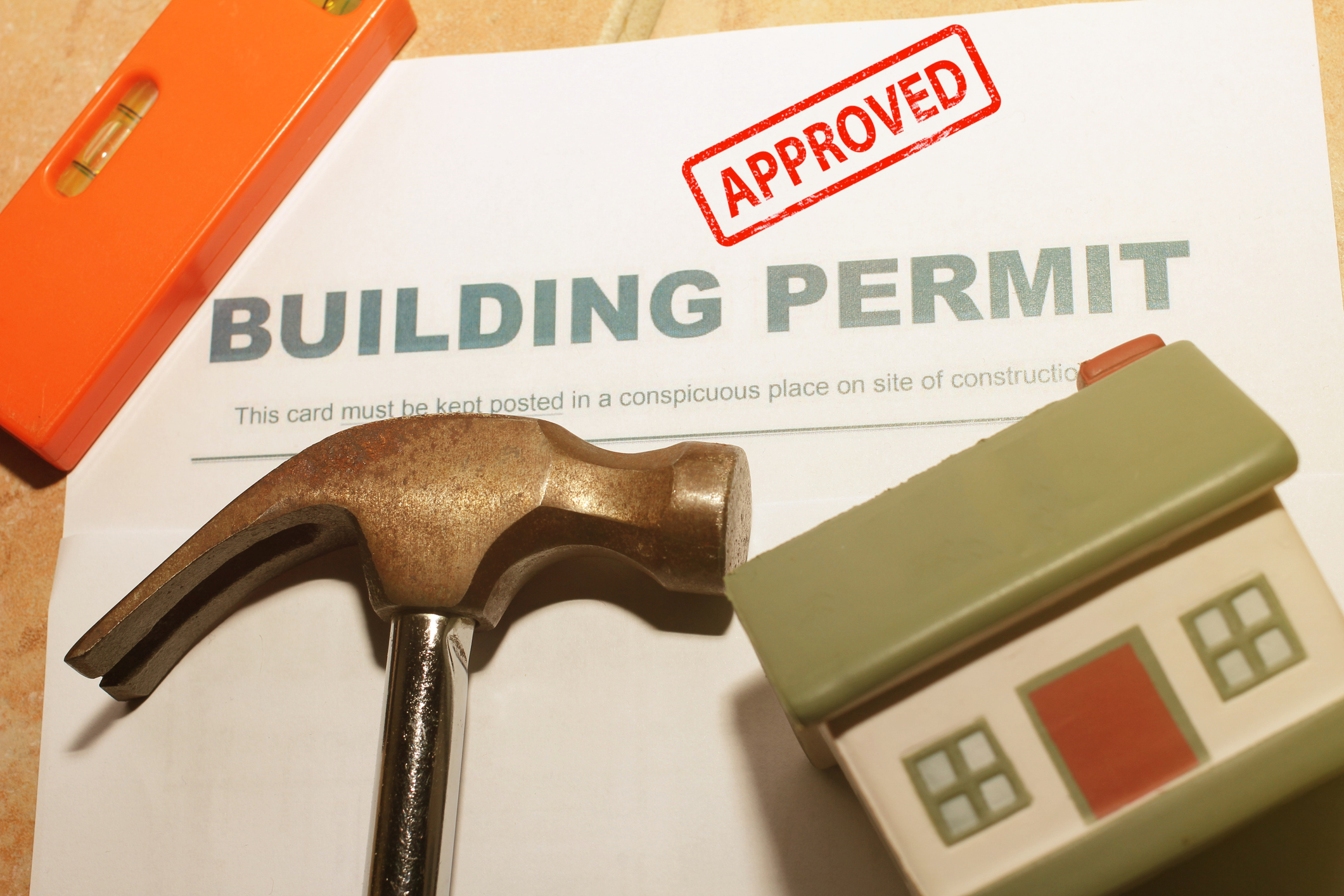
When undertaking construction or renovation projects in your area, it’s crucial to understand that local codes dictate what is allowed. For detailed information, consult a city planner or visit your local building department’s website. Here are some key points regarding building permits that apply in most regions including The City of Calgary:
1. Permit Requirements: Permits are mandatory for all new constructions and most renovations that involve changes to structural, mechanical (HVAC), electrical, or plumbing systems. Inspections are required at various stages or upon completion of the work.
2. Separate Permits Needed: Typically, a separate permit is required for each system that is altered.
3. Permit Issuance: The individual conducting the work—whether a contractor or a homeowner—must obtain the necessary permits.
4. Display of Permits: Permits must be prominently displayed on the job site for inspection purposes.
When Permits are Required: Generally, any renovation that alters the structure or modifies electrical, plumbing, or HVAC systems requires a permit. Specific situations that require a permit include:
– Adding or removing walls
– Finishing previously uninhabitable spaces (like basements, garages, or attics)
– Adding bathroom or kitchen fixtures both plumbing and electrical
– Creating or enlarging openings in exterior walls, such as doors or windows
– Installing new electrical outlets and fixtures, adding new electrical wiring and plumbing pipes, gas lines, etc.
When Permits are Not Needed: Most cosmetic repairs or replacements that don’t involve significant alterations do not require a permit. Examples include:
– Replacing a broken electrical receptacle
– Replacing a toilet or sink
– Retiling a shower
– Installing portable appliances like washing machines or refrigerators
– Changing a doorbell
Safety Considerations: Some installations mandate a permit for safety reasons. For instance:
– Installing or replacing a water heater requires a permit to ensure the correct installation of the temperature and pressure relief (TPR) valve, preventing potential explosions.
– Any work involving gas appliances, lines, or vents necessitates a permit.
– Modifications to vented heating or cooling systems—such as furnaces, woodstoves, gas ranges, and bath fans—also require permits.
– Permits may be needed for repairs or replacements involving GFCI-protected outlets as these are critical components to the protection of persons and property.
By adhering to these guidelines, you can ensure that your construction or renovation project complies with local regulations and maintains the highest safety standards.
Click on the image above or anywhere on this drop down blog to be taken to the City of Calgary permit page.
Smart Thermostats: The Definitive Guide to Saving Energy, Money, while staying comfortable.
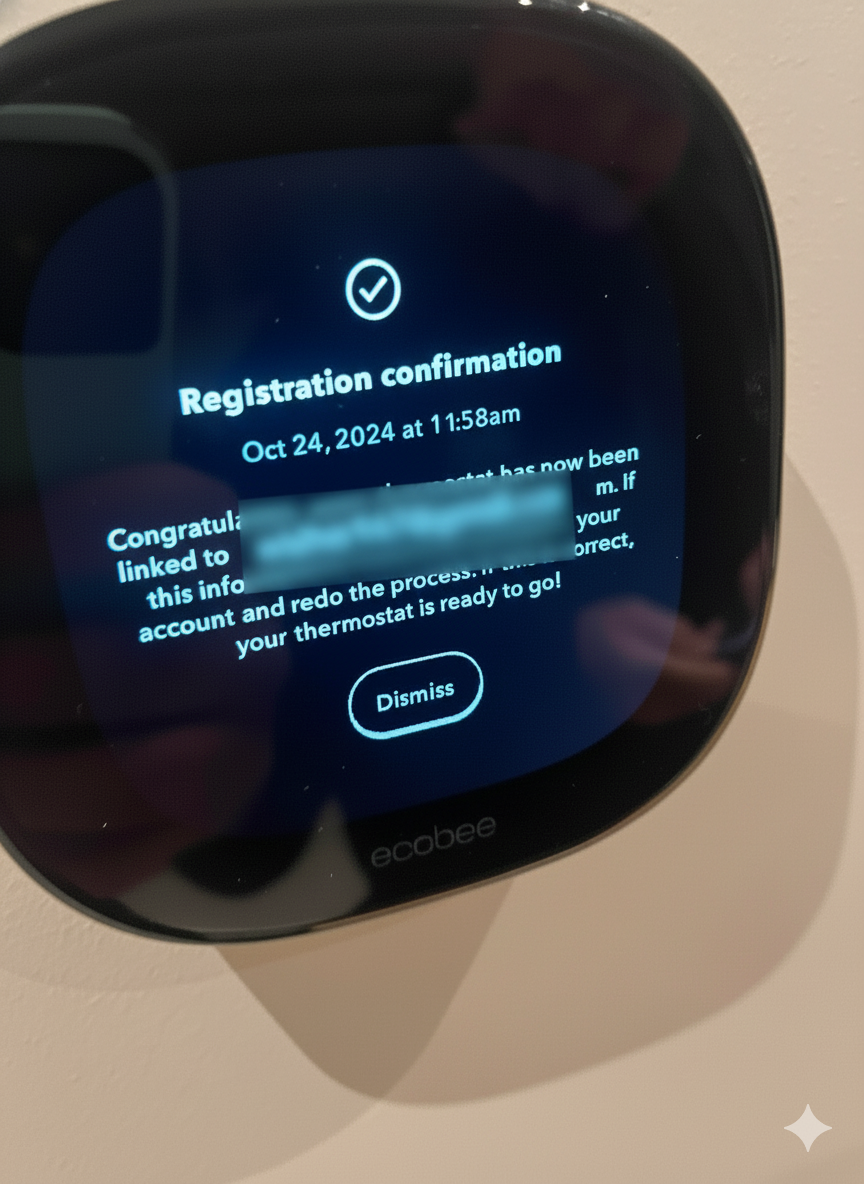
Smart thermostats have moved from niche gadget to essential home technology. Equipped with intelligent features, they are revolutionizing HVAC control and are more accessible and affordable than ever before, offering real-time energy savings and unprecedented control over your comfort.
This comprehensive guide breaks down the core features of smart thermostats, examines leading brands at various price points, and covers critical compatibility details to help you find the perfect system for your home.
Modern smart thermostats leverage powerful technologies like AI, remote control, and geofencing to learn your habits and adapt in real-time. This ensures your heating and cooling schedule is perfectly tailored for efficiency, reducing energy waste and lowering your bills.
A key moment in making this technology mainstream was the launch of the Amazon Smart Thermostat. Priced under $80, this Energy Star–certified device brought advanced capabilities, including the ability to learn user habits (like the original Nest Learning Thermostat), to a budget-friendly price point. Built in partnership with Honeywell, it merges connectivity with dependable controls.
While affordable options like the Amazon Smart Thermostat offer incredible value, higher-end models like the Ecobee Smart Thermostat Premium and the Nest Learning Thermostat (both around $250) remain top choices for those seeking the most feature-rich experiences. When choosing a thermostat, remember to consider your existing air conditioning and HVAC system to ensure you select a device whose features you can fully utilize.
Here are the key features that define a modern smart thermostat:
1. Smart Programmability
Traditional programmable thermostats promised savings but often failed because homeowners didn’t program them correctly. Smart thermostats overcome this:
- Beyond Basic Scheduling: While all smart thermostats offer basic programmability via an app, advanced features offer convenience and energy-saving safeguards.
- Learning Technology: Thermostats like the Nest Learning Thermostat and Amazon Smart Thermostat log your adjustments and traffic patterns to automatically create and refine an optimal, energy-efficient schedule for you.
- High-Performance Home Note: In modern, low-load homes (like those with airtight enclosures and right-sized heat pumps), the old advice of setting back temperatures (especially in winter) may be counterproductive, potentially causing the heat pump to use inefficient auxiliary heat. Experts in these homes often recommend setting a comfortable temperature and leaving it, so always align your thermostat use with your home’s performance level.
2. Remote Control and App Access
Remote control is a standard and highly valued feature, preventing unnecessary heating or cooling when you forget to adjust the temperature before leaving.
- Control From Anywhere: Manage your settings using a smartphone app or website, which is especially useful when your schedule is inconsistent (a common post-COVID reality).
- Multiple Control Options: Many systems, such as the Honeywell T9, offer control via popular voice assistants like Amazon Alexa and Google Assistant, as well as smart-home platforms like Apple HomeKit.
- App Reliability: Because your remote access depends on the manufacturer’s app, always research consumer reviews regarding the app’s reliability and ease of use.
3. Learning Technology and Adaptive Recovery
Learning technology is what makes a smart thermostat truly ‘smart’ and is a defining feature of systems like Nest and Amazon’s models.
- Routine-Based Optimization: Software like Nest Sense or Alexa Hunches gathers data on your usage, weather, and traffic to fine-tune your energy schedule. Ecobee’s Eco+ software also learns your routine, offering suggestions and prioritizing lower energy costs.
- Adaptive Recovery: Features like Honeywell’s “adaptive recovery” learn how long it takes for your home to adjust from a setback temperature to your set point. The thermostat then preemptively adjusts its operation to ensure your home reaches the desired temperature exactly when you need it to.
4. Geofencing and Diagnostics
Two powerful features for efficiency and maintenance:
- Geofencing: This feature uses your phone’s GPS to create a virtual boundary around your home, automatically setting the temperature back when you leave and beginning to heat or cool as you approach. It’s ideal for people with irregular schedules.
- Diagnostics: Some smart thermostats offer valuable diagnostic tools that can help identify issues like clogged filters, problems with duct pressure, or improperly wired equipment. They can alert you to potential issues before they lead to a system breakdown.
5. Advanced Sensors (Occupancy, Room, and Humidity)
Sensors enable your system to optimize comfort across your entire home.
- Room Sensors: These can be placed in remote rooms to report temperature back to the main thermostat, helping to maintain a consistent temperature throughout the house.
- Occupancy Sensors: Often built into the thermostat or separate room sensors, these detect when you are home, serving the same function as geofencing. Ecobee’s sensors, for example, track both occupancy and temperature.
- Humidity Management: Many smart thermostats include humidity sensors that can be used to control connected humidifiers and dehumidifiers, or simply to collect data to adjust air conditioning operation for optimal comfort. Some can even pause the HVAC system if a window or door is detected open.
6. Energy Reporting and Compatibility
Before purchasing, always check that your chosen smart thermostat is compatible with your specific HVAC equipment (especially if you use a heat pump) and any home automation or dehumidification systems.
- Usage Reports: Brands like Nest, Ecobee, Honeywell, and Amazon provide reports on energy usage via app dashboards or email. This data includes historical usage and comparisons to other homes, helping you understand where your savings come from and identifying potential system inefficiencies.
- Emergency Alerts: Smart thermostats can provide crucial “High/Low Temperature Alarming,” which notifies you if the temperature in your home drops low enough to risk issues like frozen pipes, a vital feature for second homes or when you’re away for extended periods.
Prices range widely, from budget-friendly ($60–$80) to feature-packed high-end systems ($200+). The best choice comes down to which features are most important to you and your comfort level with the app and interface you’ll be using every day.
Weather preparedness and the effect it has on electrical systems in Calgary
As the seasons shift, so do our electrical needs as Calgary weather changes. From keeping the house warm during the winter months to cooling during the summer. Understanding the role our electrical installations play with regards to Calgary’s weather can lead to enhanced safety, efficiency, and comfort. Weather influences the performance and requirements of our electrical system.
Understanding and monitoring Calgary weather Patterns allows you to maximize the time at which you turn on either your heating system in the winter or cooling system in the summer. Whether Calgary experiences humid July’s from lots of rain fall, to frigid and dry winters that leave your skin crackiing.
Your air conditioner will ramp up to help keep the house cool throughout a hot summer day. In the winter your furnace will ramp up with natural gas burners and in some cases coupled with a duct mounted humidifier, work to keep your home warm and less dry on a cold winter day.
The best way to optimize home comfort is with a smart home thermostat that monitors the weather in relation to the internal temperature of the house. The smart thermostats will make automatic adjustments based on what temperature/humidity range makes you feel comfortable.
Winter and Summer Preparedness:
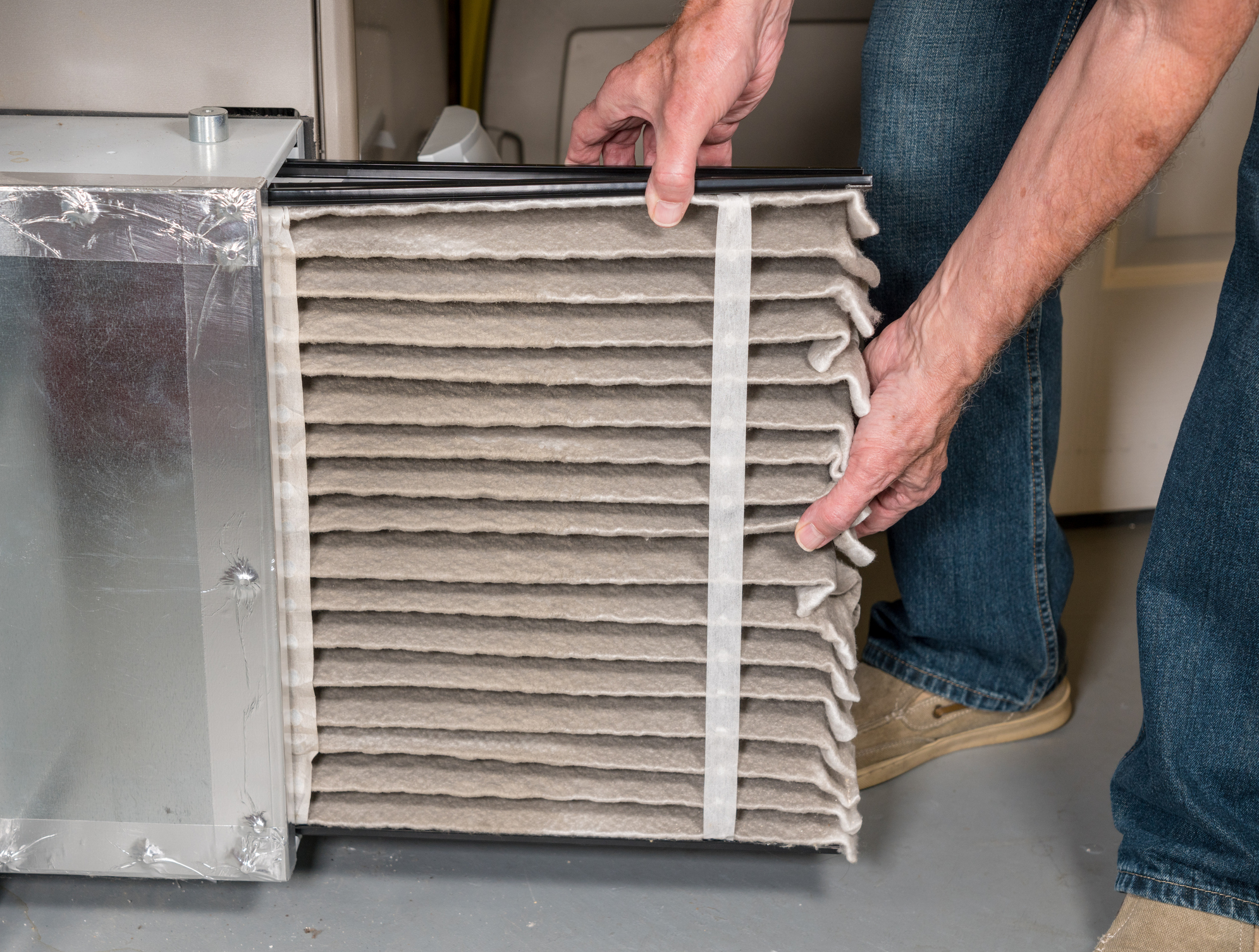
It’s important to keep those heating and cooling systems operating efficiently. Much like a car, it doesn’t take much to maintain an air conditioner or the furnace’s performance as the three share some common ground; filters. Checking and replacing the filter in the furnace and clearing out the the fins on the grill of an air conditioner condensor or heat pump allows air to pass through the condensor when the fan pulls air.
If your furnace filter or the fins on your air conditioner/heat pump are caked with dust and debris than it’s going to have a hard time breathing much like the air filter on a car or a jogger trying to run on a smokey smog filled day.
Explore how daylight changes affect natural lighting in the home and suggest energy-efficient lighting options to minimize electricity use.
Lightning in Calgary is thankfully not a year round type of thing. But, in the months of June, July and August with the buildup of static electricity in storm clouds a whole home surge protection system being installed can be the difference between having to replace electronic equipment like computers, tv’s and laptops and not having to. Having a whole home surge protector in place guards against electrical damage during storms.
Electrical mistakes and misconceptions
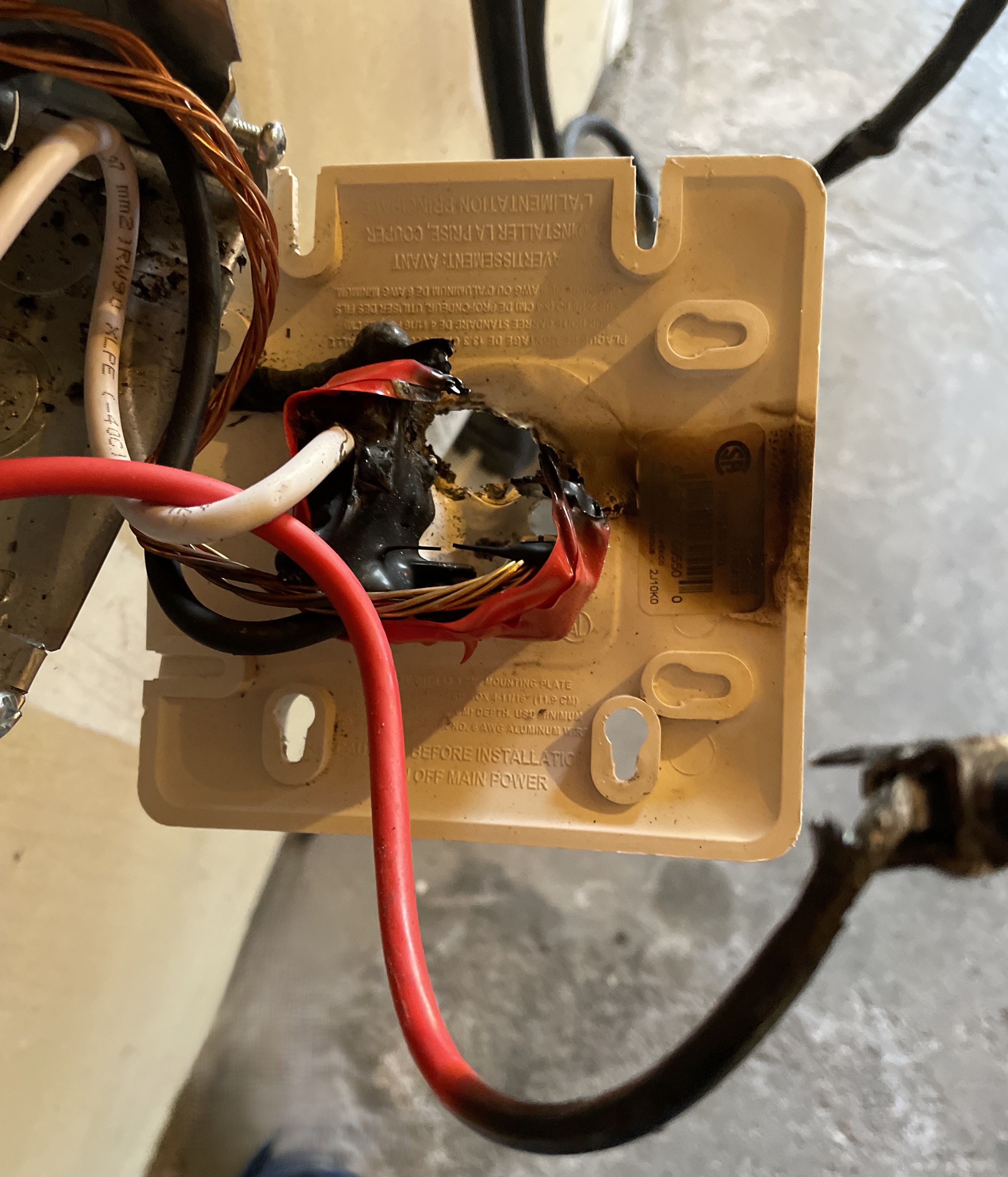
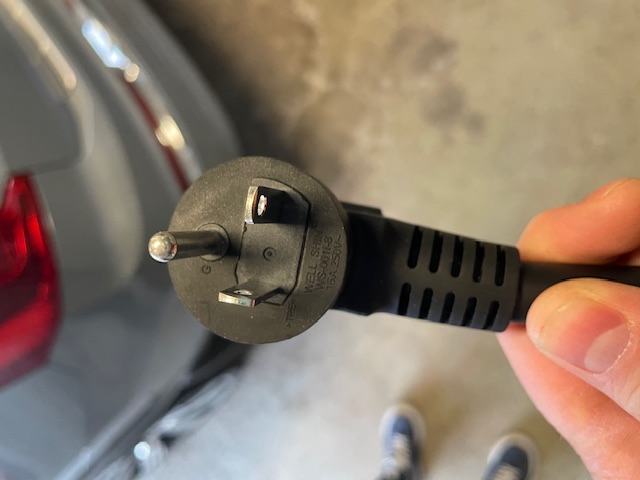
(In the above photo: we took A service call where an electric vehicle charger was plugged into a receptacle that wasn’t rated for overnight charging and the breaker wasnt the correct amperage rating causing the breaker to stay on and not trip meanwhile leading to a melted receptacle)
Misconception # 1: Some Reno’s Don’t Need Permits
Most electrical upgrades, including basement finishes and kitchen remodels, require permits and inspections to ensure safety. Skipping permits can lead to fines, power shutoffs, and unsafe work. The can also cause your insurance company to deny a claim based on what they come across when doing a site assesment.
#2: New Fixtures Are Always Safer
Modern fixtures may require wiring rated for higher temperatures. LEDs can get hot and may not be compatible with older wiring, increasing fire risk. Check fixture labels and wiring compatibility.
# 3: A New Panel includes New Wiring
Replacing a panel or switches doesn’t guarantee all wiring is updated. Hidden old wiring often remains, posing risks. Always verify permits and inspections for recent work.
#4: Adding breakers means the Panel’s Replaced
If the panel is in good condition, adding a subpanel can provide more circuit spaces without replacing the main panel. Major upgrades or additions may require a new service.
#5: You’re protected from lightning if the home is correctly wired
Grounding electrodes and bonding conductors help dissipate lightning energy, but they don’t guarantee protection. A nearby strike can still fry appliances, melt wiring, and even spark fires.
Standard circuit breakers aren’t designed to stop lightning—they trip on overcurrent, not overvoltage. GFCI and AFCI breakers respond to faults and arcs, but all three types can be damaged by lightning before they react.
The fix? Install a whole-house surge protective device (SPD). It’s now required by the 2023 NEC in the united states, but many homes built under older codes lack this safeguard. A Surge protection device can prevent thousands in damage—especially to critical systems like HVAC or well pumps.
we’ve used Surge protection devices for years and recommend them to every homeowner. Not all electricians suggest them, but we think they should in locations where there’s alot of repeated lightning strikes.
#6: infill/modern homes are less likely to have an electrical issues
Reality: Lithium-ion batteries in personal mobility devices—like e-bikes, scooters, and hoverboards—have become a leading cause of house fires, even in newer homes. These fires can be intense, fast-moving, and sometimes fatal.
The risk spikes when devices lack third-party safety certification. hoverboards skateboards and e-bikes are covered by regulatory bodies that oversee testing and certificatoin. But many products skip this testing, and rough use—collisions, drops, stunts—can damage internal battery components, triggering self-ignition.
Another reason for more house fires in newer homes is the speed at which they’re being built and the attention to detail and quality. it use to be that older homes were the majority of our service calls but in recent years with all the infloor heating, radiant heating and modern day luxuries that come with a new infill there’s more to go wrong. when you factor in the speed at which all of these installations are being completed and the less care involved, we see more service calls from newer homes than from your 1950’s/60’s bungalow.
Best practice: Buy CSA/ULC-certified devices from reputable brands, and store and charge them in a fire-separated garage or outbuilding—not inside your home.
#7: Romex or Loomex Is allowed Outdoors If mechanically Protected or protected by location
NMD90 cable (Romex/LOOMEX) isn’t rated for UV or moisture exposure. Even inside sealed conduit, it’s vulnerable to water buildup and humidity.
#8: Upgrads are easy with exerior mounted conduit
Reality: Running PVC conduit outside can avoid tearing into walls, but it’s not a simple plug-and-play solution. Plastic conduit expands in heat and contracts in cold—over ¼ inch of movement can expose or dislodge wires.
Safe installs require calculating conduit length, factoring in temperature swings, and using expansion fittings or strategic bends. A good electrician will design the run to handle seasonal shifts and keep conductors protected.
Additional Safety Tips and stats
- Replace Electric panels known for unsafe breakers.
- Evaluate aluminum wiring and knob-and-tube wiring for safety.
- Use qualified electricians for inspections and repairs.
- Quality and Time over Speed, you can’t do it fast, even as a professional. Don’t rush into things if you’re doing some electrical work around your own home. Poor electrical work often goes unnoticed until it causes harm. In 2023, over 30,000 residential electrical fires resulted in 235 deaths and $2.0 billion in damages in parts of the united states and canada. Signs like flickering lights, strange noises, or smells from panels or devices should prompt immediate inspection by a qualified electrician.
In the United States:
- Peak year for fatalities: According to the National Fire Code of canada (NFc), the number of home fire deaths peaked around 1980.
- Peak year for injuries: The number of home fire injuries also peaked in 1980.
- Recent trends: In 2023, there were 2,890 estimated home fire deaths, which was 44% lower than the 1980 estimate.
-
IN Canada:
- Peak year for fatalities: 2021 saw a sharp increase in fatalities, with 202 deaths reported, up from 148 in 2019.
- Peak year for fires: 2021 also saw a significant increase in fire incidents.
- In Canada, 2021 saw a significant increase in both residential fires and fatalities during the pandemic, according to Statistics Canada.
Take Advantage of Incentives
If you’re not comfortable doing electrical work on your own, you should hire an electrician. often times a short site assessment will answer alot of the questions you have regarding the state of your electrical system. they can walk through your house and give you an idea of what can be done, what constraints you’re working with in the home and if there are incentives available to lessen the financial burden.
Electrical Vehicle Chargers and Where to Start
If you’re looking at your driveway and seeing an electric vehicle in its future, you’re not alone. Experts predict that by 2030, about 4.6 million cars on canadian roads will be battery-powered
But before you bring that new ride home, you need to figure out how to juice it up. Charging at home is the cheapest and most convenient way to go, but the terminology can get confusing fast
The Three Levels of Charging: How Fast Do You Need to Go?
Think of EV chargers (formally called EVSE or Electric Vehicle Supply Equipment) like faucets
Level 1 (The “Emergency” Option): This usually comes with the car and plugs into a standard 120v wall outlet
Level 2 (The Home Gold Standard): This is what most homeowners actually want
Level 3 (The Road Trip Stop): These are the massive DC fast chargers you see at rest stops
Buying Guide: 5 Things to Look For
Don’t just buy the cheapest thing you find online. Look for these practical features:
Safety First: Ensure the charger is ULC/CSA-certified and comes with at least a three-year warranty
Cable Length: Get a cable that is at least 20 feet long
The Right Plug: Most EVs use a J1772 plug, while Teslas use NACS
Smart Features: Many chargers have apps that let you schedule charging for the middle of the night when electricity rates are lowest
Rebates: Check with your local utility company. Many offer significant rebates for specific charger brands
Installation: Hardwired vs. Plug-In
You have two main choices for how to install a Level 2 charger:
Hardwired: This is directly wired into your electrical system
The Future: Bidirectional Charging
We’re entering an era where your car isn’t just a vehicle; it’s a backup battery for your house
The Bottom Line: If you’re going electric, a Level 2 charger is the way to go for the best mix of speed and cost
Warm Toes, Happy Life: A Beginner’s Guide to Radiant Floor Heating
If you’ve ever woken up on a freezing winter morning and dreaded the moment your feet hit the floor, you’ve probably dreamt of radiant heating.
Unlike standard furnaces that blast dusty, noisy air through vents, radiant floor systems are the silent superheroes of home comfort. But here’s the thing: those cool-looking tubes snaking under the floorboards are only half the story. To get that “perfect temperature” feeling, you need a solid team of equipment working behind the scenes.
Here is the “behind-the-curtain” look at how your floors actually get warm.
The Anatomy of a Warm Floor
Think of your heating system like the circulatory system in your body. It’s a loop that needs a few key players to keep things moving:
-
The Heat Source: This is the “heart” of the system. It could be a classic boiler or a modern heat pump. Its only job? Get that water moving and get it hot.
-
The Circulator: This is a specialized pump that pushes the water through your pipes.
-
The “Blender” (Mixing Valve): Here’s a pro tip—your boiler makes water hot, but your floors only need to be warm. A mixing valve blends the hot water with cooler water returning from the floor so you don’t cook your toes.
-
The Manifold: Think of this as a traffic cop. It sits at a station and decides exactly how much warm water goes to which room.
Choosing Your Boiler: Traditional vs. High-Tech
When it’s time to pick the machine that actually heats the water, you usually have two main paths:
1. The Old Faithful (Conventional Boilers)
Most of us are used to the big cast-iron or steel boilers. They are the tanks of the heating world.
-
The Perk: They are incredibly durable (some last 30+ years!) and can handle both your floor heating and high-heat radiators at the same time.
-
The Trade-off: They are heavy and take a little longer to warm up.
2. The Speedster (Low-Mass Boilers)
These use copper tubing with “fins” to heat water almost instantly.
-
The Perk: They are much smaller and lighter than the old-school versions.
-
The Trade-off: While they’re faster, they weren’t necessarily more efficient than a well-maintained traditional boiler. But, in recent years some manufacturers have designed and built wall mounted condensing boilers that have an AFUE (Annual Fuel Utilization Efficiency) of 92-95% and in some cases reaching upwards of 98.5%. In short, boiler technology has really come along way!
The Bottom Line
Most modern boilers—whether gas or oil—run at about 80% to 85% efficiency. While it’s tempting to just shop for the lowest price tag, remember that these systems are a long-term relationship.
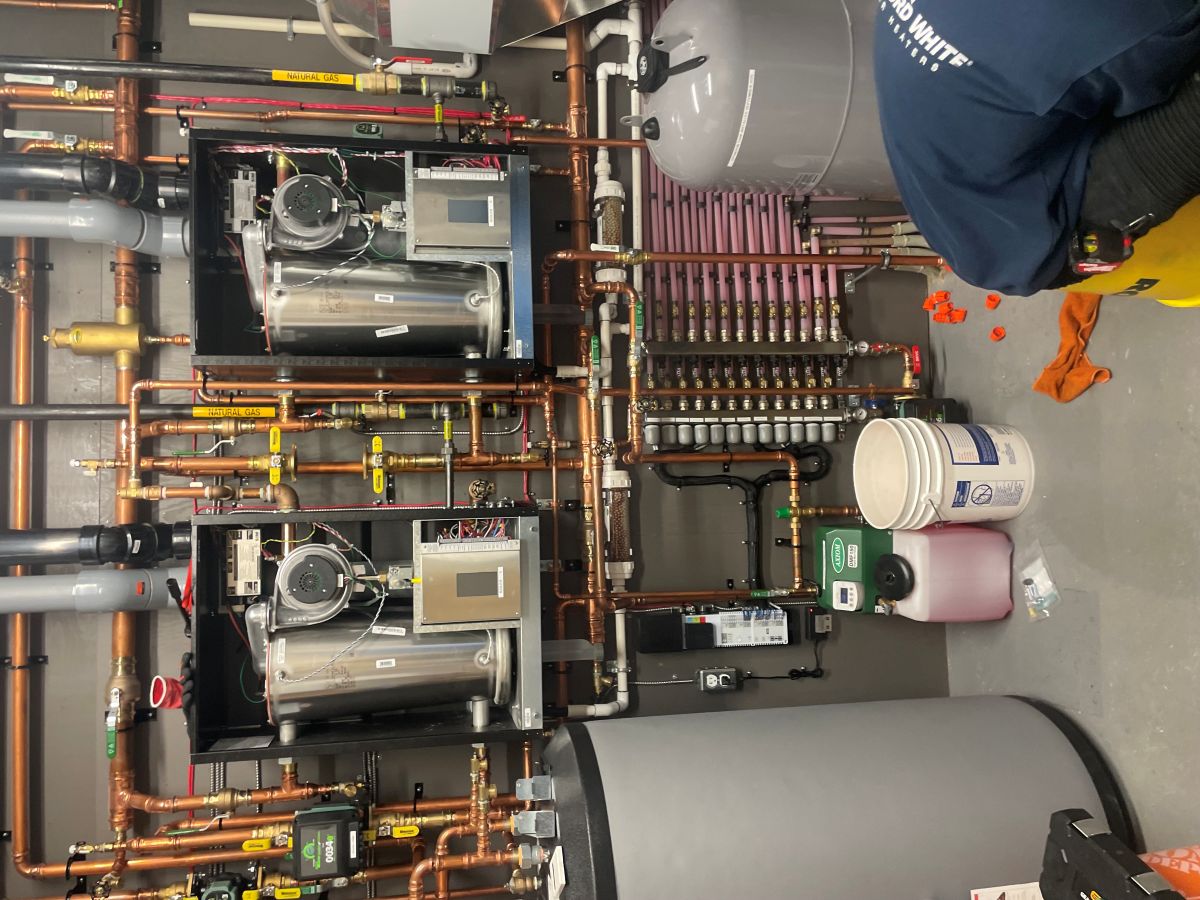
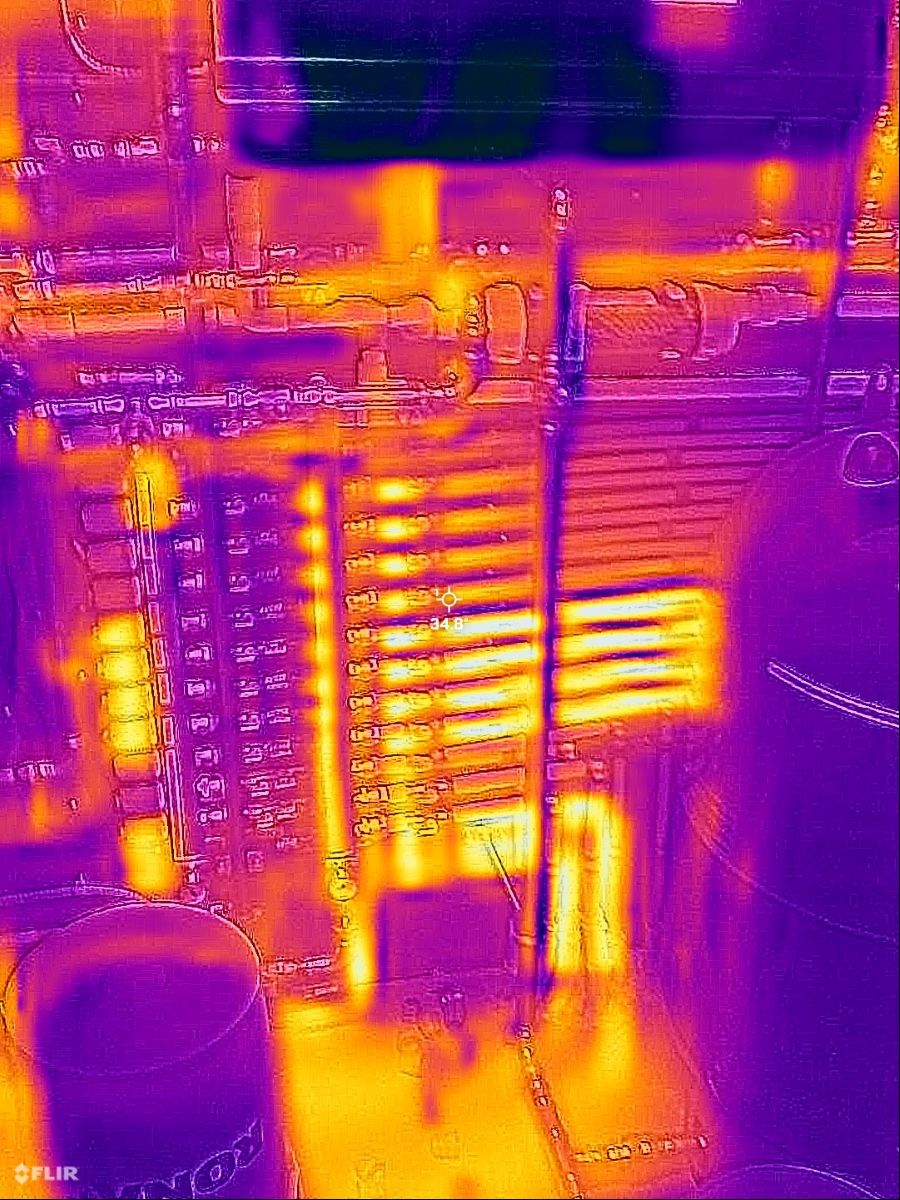
We service, maintain and install all makes and models. The photo’s below were taken from a job we recently completed for a customer who had a full mechanical retro-fit which included two air handling units, two wall mounted condensing boilers, 5 circulating pumps and 14 zone valves for 6 basement infloor hydronic heating system zones.
The two wall mounted condensing boilers depicted in the photo below are of the IBC brand manufactured in Burnaby, British Columbia. There are several models manufactured by local companies in Calgary and Alberta as well. They make high quality units that we’ve grown to trust with little to no call backs. Reach out to us if you’re interested in talking about the locally made heating systems, we love them ourselves and have installed them in our own homes.
Pro Tip: A good boiler can last three decades, but only if someone knows how to fix and maintain it! Maintenance is key, the cost of maintenance is far less avergaed over the long term than paying for a “no heat” call, having a boiler repaired in Calgary unexpecteldy in the dead of winter when you’re worried your pipes are going to freeze, expand followed by rupturing. Especially, when you’re on vacation.
Before you buy, make sure there is a local pro in your area who knows that specific brand inside and out. Radiant heat is an investment in your home’s “cozy factor.”
Induction cook tops vs gas
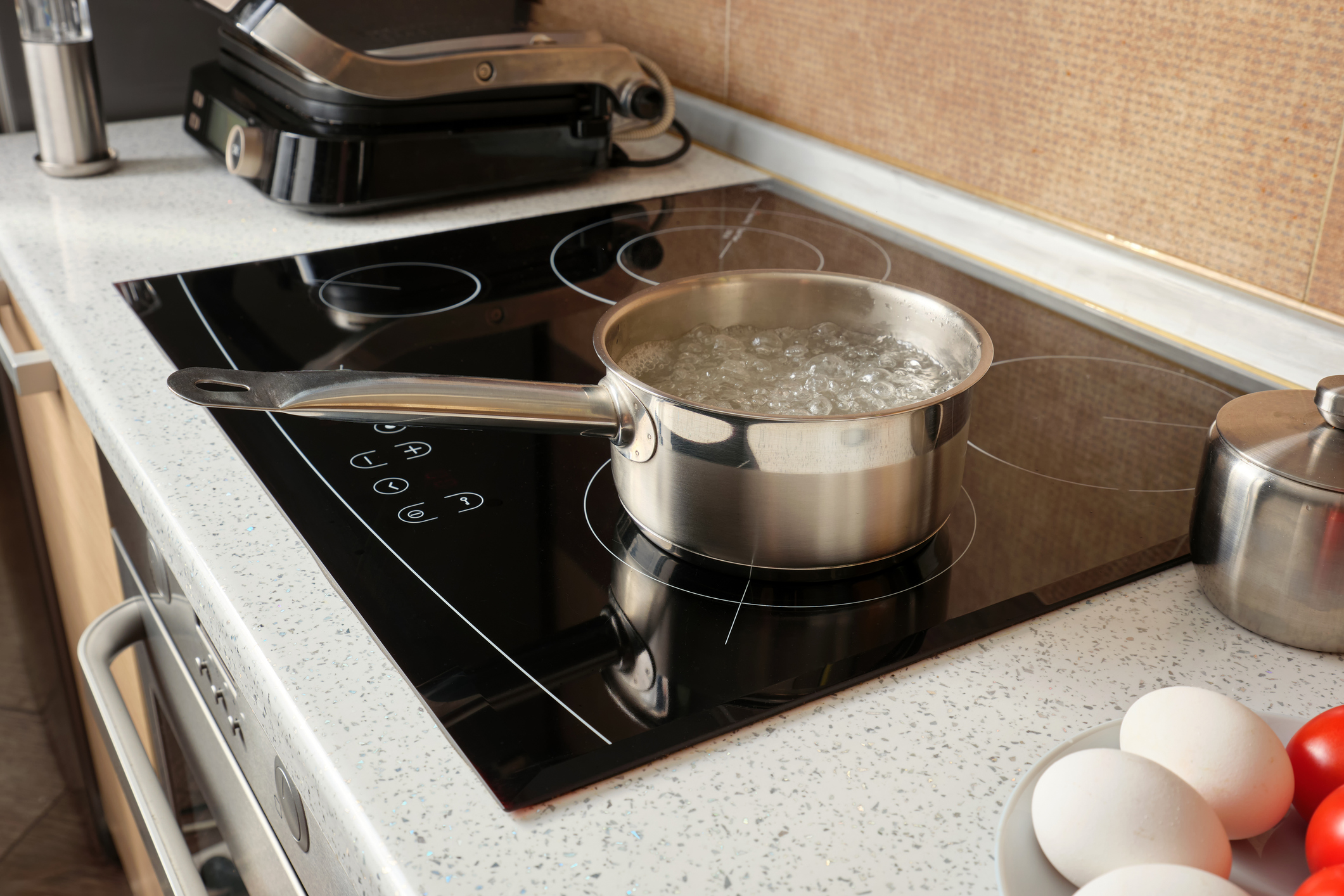
Switching from gas cooktop to induction cooktop
After cooking with an induction cooktop, I’m officially a convert. we first learnt of induction while retrofitting an carriage house for energy efficiency, and it checked all the boxes: no combustion, better indoor air quality, and impressive energy performance—84% efficiency compared to gas’s 40%. plus it’s much safer for children as it’s a non conventional heating method, there’s no flame or electric heating element.
Induction works by creating an electromagnetic field that heats ferrous cookware directly, leaving the glass surface cool. That means faster boil times, precise digital controls (like “6.0 for the first pancake, 5.0 for the rest”), and a sleek, easy-to-clean design.
There are quirks: boil-overs trigger an automatic shutoff and greasy surfaces can block touch controls. And yes, there’s a faint high-pitched buzz at full power. But for us, the trade-offs are worth it.
Induction isn’t cheap, but if you’re ready to upgrade, you might just become a fan like we did.
Circuit Breaker Test Buttons: AFCI vs. GFCI and What Their Colours Mean
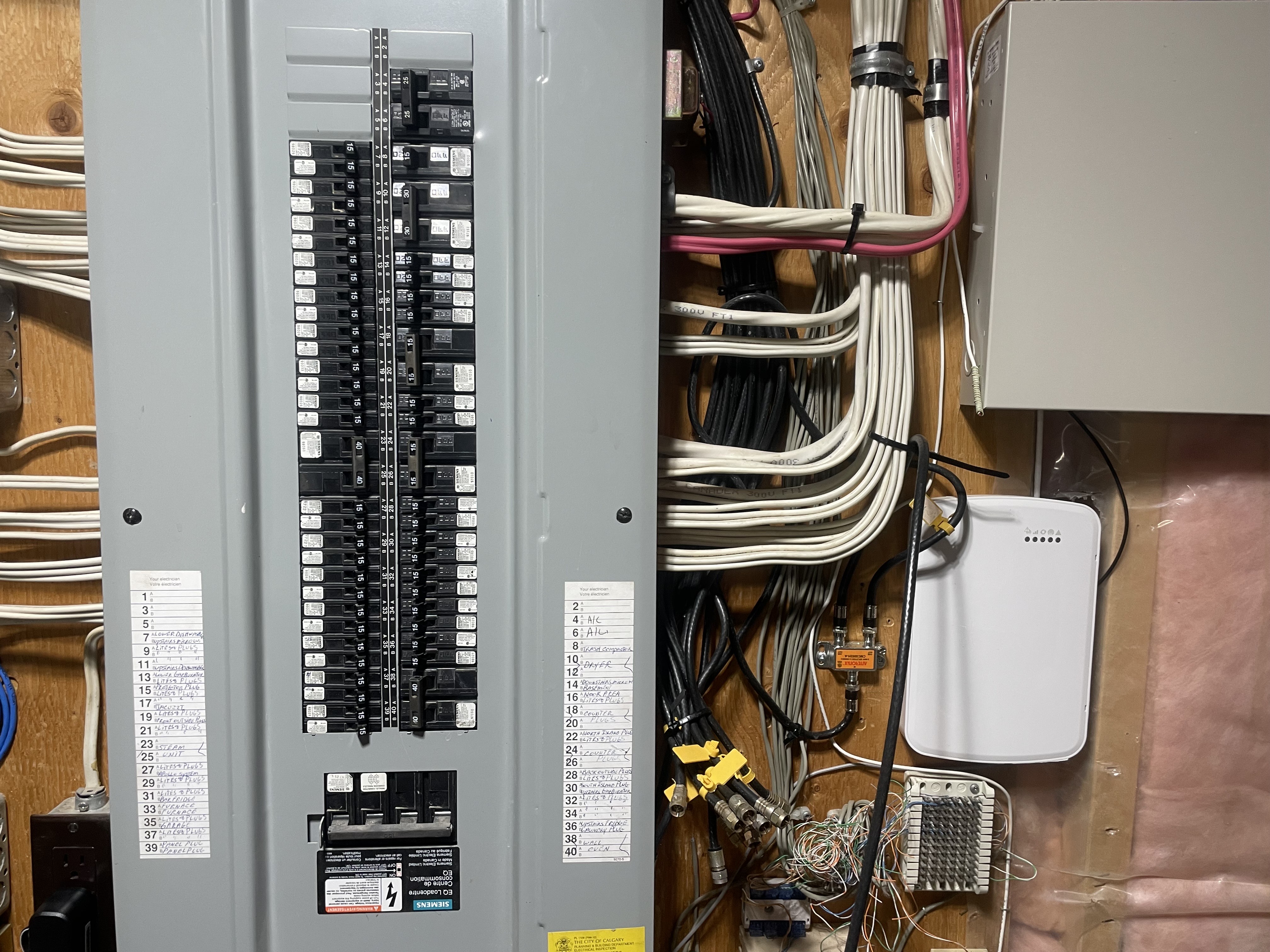 Circuit breakers are the essential safety devices in your electrical panel, and specialized breakers designed for extra protection—Arc Fault Circuit Interrupters (AFCI) and Ground Fault Circuit Interrupters (GFCI)—come equipped with a unique, color-coded test button.
Understanding the different types of breakers, their functions, and the meaning of their test buttons is crucial for home safety.
1. Standard Circuit Breakers (Thermal-Magnetic)
A standard circuit breaker has only a handle and no test button. These breakers are designed to protect the wiring in your walls from two primary dangers:
- Overload: When too many electrical devices are connected to a circuit, drawing more current than the wiring can safely handle, causing wires to overheat.
- Short Circuit/Ground Fault: A sudden, massive surge of current caused by a direct fault, such as the hot wire touching the return or ground wire.
2. AFCI Breakers (Protection Against Fire)
The standard breaker is good at preventing fires from overheating, but it often misses a more subtle, yet extremely dangerous, issue: the arc fault.
- What is an Arc Fault? This is a high-energy spark, often caused by damaged wire insulation, a screw driven through a cable, or a loose connection in a box. These sparks can instantly ignite nearby insulation or wood.
- The AFCI Solution: An Arc Fault Circuit Interrupter (AFCI) is an advanced breaker that monitors the electrical waveform for the specific, irregular pattern of a dangerous arcing spark. When detected, it trips the circuit instantly.
- Newer Type: Second-generation breakers, called
- Combined AFCI (CAFI), detect two different kinds of arcing faults and are often required in newer construction.
- Test Button: AFCI breakers have a test button, though the color is set by the manufacturer (not a universal standard) and varies by brand.
3. GFCI Breakers (Protection Against Shock)
These breakers are specifically designed to protect people from lethal electrical shock.
- What is a Ground Fault? This occurs when electricity finds an unintended path to the ground, and that path is often a person. If you are standing on a wet floor and touch a frayed cord, the current travels through you to the ground.
- The GFCI Solution: A Ground Fault Circuit Interrupter (GFCI) constantly monitors the flow of electricity between the hot and neutral wires. If it detects even a tiny difference—a current leak as small as 5 milliamps—it trips the circuit faster than a heartbeat, preventing electrocution.
- Uses: GFCI breakers provide the same protection as the GFCI outlets required in kitchens, bathrooms, and exterior locations.
- Test Button: GFCI breakers also have a test button, distinct in color from AFCI breakers (again, depending on the brand).
Troubleshooting a Tripped Breaker
The most important rule is: Always determine the cause before resetting a tripped breaker.
- If it was an Overload: The most common cause. Unplug some of the items on the circuit and then reset the breaker. If this is a regular occurrence, contact an electrician near you or your location where the issues are occuring. Adding a new, dedicated circuit or unplugging your least used appliance(s). Kitchens for examples carry alot of heavey electrical loads all in one place. Toasters, toaster ovens, espresso machines, coffee machines and the list goes on. If that’s the case, try unplugging one or multiple appliances until you can schedule an electrician to come take a look. They can tell you what to do based on your habits and make suggestions that don’t always require more work.
- If it was a Fault (Short, Arc, or Ground Fault): Unplug everything from the circuit and reset the breaker. If it immediately trips again with nothing plugged in, the fault is likely in the wiring inside your walls or the panel itself. Call an electrician immediately to help troubleshoot the rest.
YYC ELECTRICIAN
We at YYC ELECTRICIAN love the winter scene here in this beautiful city. Admittedly Calgary weather can be tough when the pot lights aren’t working, the dimmer switches aren’t dimming and you need emergency electrical services that can tackle an electric hot water heater, infloor radiant heating and everything else that keeps your day to day operating smoothly. We can get your heating systems back up and running as well as the pot lights regardless of whether it’s during standard operating hours or you’re searching online for an emergency electrician near me kind of thing. We service electric radiant heat, hydronic heating controls and furnace heating systems. If there are cables and wires than we can tackle it.