Appliance Blogs
CLICK ON THE MAGNIFYING GLASS 🔎 BELOW FOR BLOGS BY SUBJECT MATTER. CLICK ON THE ❌ ICON TO CLOSE.
Induction cook tops vs gas
Cooking at home.
Cooking at home.
Switching from gas cooktop to induction cooktop
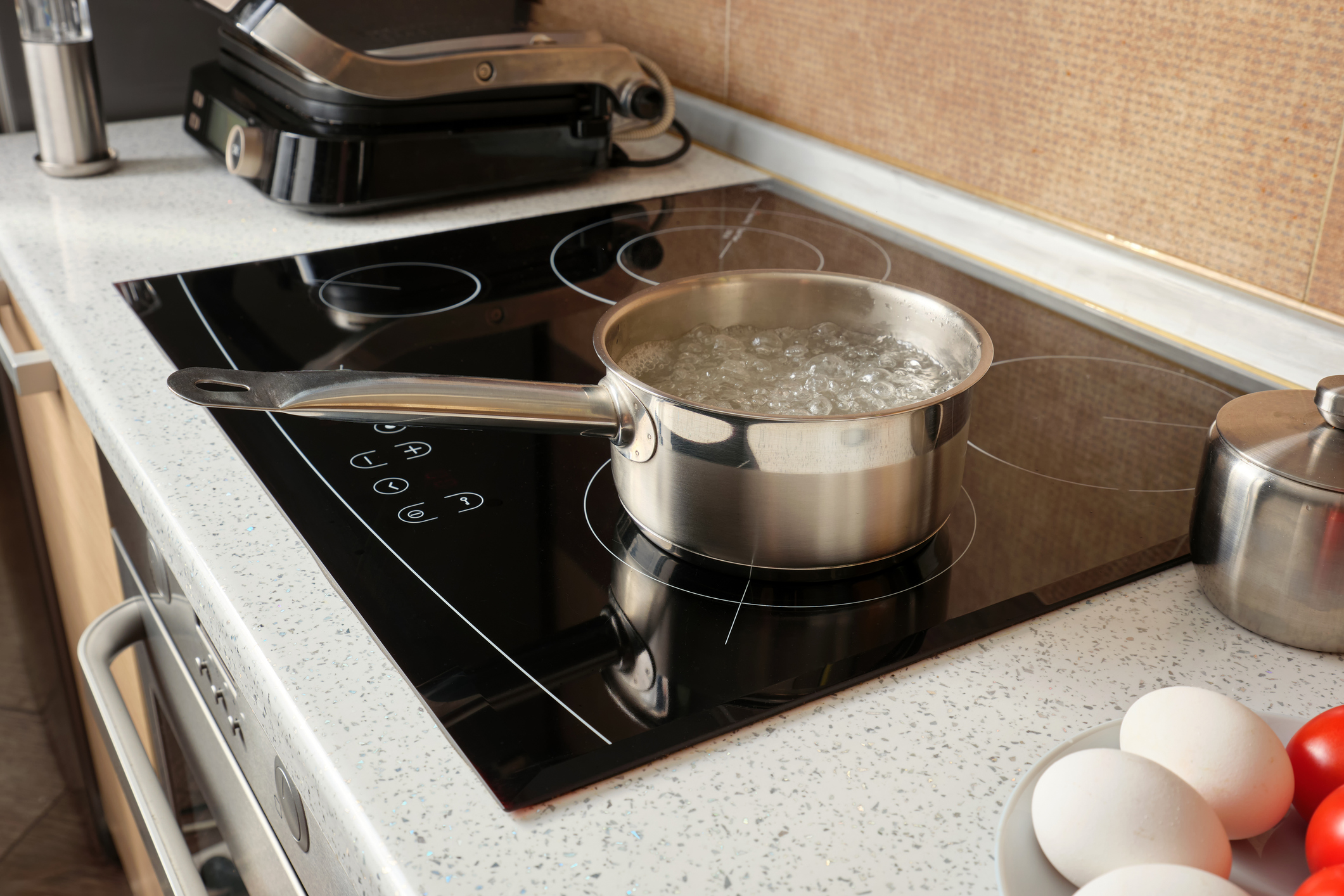
After cooking with an induction cooktop, I’m officially a convert. we first learnt of induction while retrofitting an carriage house for energy efficiency, and it checked all the boxes: no combustion, better indoor air quality, and impressive energy performance—84% efficiency compared to gas’s 40%. plus it’s much safer for children as it’s a non conventional heating method, there’s no flame or electric heating element.
Induction works by creating an electromagnetic field that heats ferrous cookware directly, leaving the glass surface cool. That means faster boil times, precise digital controls (like “6.0 for the first pancake, 5.0 for the rest”), and a sleek, easy-to-clean design.
There are quirks: boil-overs trigger an automatic shutoff and greasy surfaces can block touch controls. And yes, there’s a faint high-pitched buzz at full power. But for us, the trade-offs are worth it.
Induction isn’t cheap, but if you’re ready to upgrade, you might just become a fan like we did.
The Future of Cooking: Why It’s Time to Switch to Induction
Whether you are a seasoned home chef or just looking for a safer way to feed your family, you’ve likely heard the buzz about induction cooktops.
Here is everything you need to know about making the switch.
What Exactly is Induction?
Traditional electric stoves heat a coil, which heats the glass surface, which eventually heats your pan.
It uses electromagnetism to turn your cookware into the heat source itself.
The Coil: An alternating current flows through a copper coil beneath the glass surface.
The Field: This creates an oscillating magnetic field.
The Pan: When you place a magnetic (ferrous) pan on top, the field induces “eddy currents” inside the metal.
The Heat: Because the pan resists these currents, it generates instant, precise heat.
Pro Tip: If a magnet sticks to the bottom of your pot, it will work on an induction stove.
Why Make the Move?
1. Better Health & Air Quality
Emerging research shows that gas stoves emit hazardous chemicals like nitrogen oxide, formaldehyde, and carbon monoxide.
Induction is significantly faster and more efficient than its rivals.
3. Safety First
Because the cooktop heats the pan and not the surface, the glass stays relatively cool to the touch.
Key Considerations Before You Buy
While induction is a game-changer, there are a few logistical items to check:
-
Cookware: You’ll need magnetic pots and pans (cast iron and most stainless steel work great).
Electrical Needs: Most induction units require a 240v outlet and a dedicated breaker (30 to 50 amps).
If you’re switching from gas (which only needs 120v), you will likely need an electrician to run a new line. -
Wiring: Always check if your home has aluminum or copper wiring, as induction models typically require copper leads.
Top Models for Every Kitchen
Save Money with Rebates
The transition is more affordable than ever thanks to the Inflation Reduction Act.
Ready to turn up the heat without the flame? Induction is the future of the home kitchen.
YYC ELECTRICIAN
We at YYC ELECTRICIAN love the winter scene here in this beautiful city. Admittedly Calgary weather can be tough when the pot lights aren’t working, the dimmer switches aren’t dimming and you need emergency electrical services that can tackle an electric hot water heater, infloor radiant heating and everything else that keeps your day to day operating smoothly. We can get your heating systems back up and running as well as the pot lights regardless of whether it’s during standard operating hours or you’re searching online for an emergency electrician near me kind of thing. We service electric radiant heat, hydronic heating controls and furnace heating systems. If there are cables and wires than we can tackle it.