Thermostats
CLICK ON THE MAGNIFYING GLASS 🔎 BELOW FOR BLOGS BY SUBJECT MATTER. CLICK ON THE ❌ ICON TO CLOSE.
Smart Thermostats
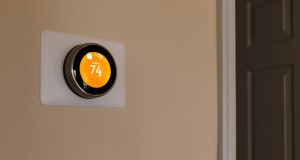
Smart thermostat Installation in calgary hsas moved from niche gadget to essential home technology. Equipped with intelligent features, they are revolutionizing HVAC control and are more accessible and affordable than ever before, offering real-time energy savings and unprecedented control over your comfort.
This comprehensive guide breaks down the core features of smart thermostats, examines leading brands at various price points, and covers critical compatibility details to help you find the perfect system for your home.
Modern smart thermostats leverage powerful technologies like AI, remote control, and geofencing to learn your habits and adapt in real-time. This ensures your heating and cooling schedule is perfectly tailored for efficiency, reducing energy waste and lowering your bills.
A key moment in making this technology mainstream was the launch of the Amazon Smart Thermostat. Priced under $80, this Energy Star–certified device brought advanced capabilities, including the ability to learn user habits (like the original Nest Learning Thermostat), to a budget-friendly price point. Built in partnership with Honeywell, it merges connectivity with dependable controls.
While affordable options like the Amazon Smart Thermostat offer incredible value, higher-end models like the Ecobee Smart Thermostat Premium and the Nest Learning Thermostat (both around $250) remain top choices for those seeking the most feature-rich experiences. When choosing a thermostat, remember to consider your existing air conditioning and HVAC system to ensure you select a device whose features you can fully utilize.
Here are the key features that define a modern smart thermostat:
1. Smart Programmability
Traditional programmable thermostats promised savings but often failed because homeowners didn’t program them correctly. Smart thermostats overcome this:
Beyond Basic Scheduling: While all smart thermostats offer basic programmability via an app, advanced features offer convenience and energy-saving safeguards.
Learning Technology: Thermostats like the Nest Learning Thermostat and Amazon Smart Thermostat log your adjustments and traffic patterns to automatically create and refine an optimal, energy-efficient schedule for you.
High-Performance Home Note: In modern, low-load homes (like those with airtight enclosures and right-sized heat pumps), the old advice of setting back temperatures (especially in winter) may be counterproductive, potentially causing the heat pump to use inefficient auxiliary heat. Experts in these homes often recommend setting a comfortable temperature and leaving it, so always align your thermostat use with your home’s performance level.
2. Remote Control and App Access
Remote control is a standard and highly valued feature, preventing unnecessary heating or cooling when you forget to adjust the temperature before leaving.
- Control From Anywhere: Manage your settings using a smartphone app or website, which is especially useful when your schedule is inconsistent (a common post-COVID reality).
- Multiple Control Options: Many systems, such as the Honeywell T9, offer control via popular voice assistants like Amazon Alexa and Google Assistant, as well as smart-home platforms like Apple HomeKit.
- App Reliability: Because your remote access depends on the manufacturer’s app, always research consumer reviews regarding the app’s reliability and ease of use.
3. Learning Technology and Adaptive Recovery
Learning technology is what makes a smart thermostat truly ‘smart’ and is a defining feature of systems like Nest and Amazon’s models.
- Routine-Based Optimization: Software like Nest Sense or Alexa Hunches gathers data on your usage, weather, and traffic to fine-tune your energy schedule. Ecobee’s Eco+ software also learns your routine, offering suggestions and prioritizing lower energy costs.
- Adaptive Recovery: Features like Honeywell’s “adaptive recovery” learn how long it takes for your home to adjust from a setback temperature to your set point. The thermostat then preemptively adjusts its operation to ensure your home reaches the desired temperature exactly when you need it to.
4. Geofencing and Diagnostics
Two powerful features for efficiency and maintenance:
- Geofencing: This feature uses your phone’s GPS to create a virtual boundary around your home, automatically setting the temperature back when you leave and beginning to heat or cool as you approach. It’s ideal for people with irregular schedules.
- Diagnostics: Some smart thermostats offer valuable diagnostic tools that can help identify issues like clogged filters, problems with duct pressure, or improperly wired equipment. They can alert you to potential issues before they lead to a system breakdown.
5. Advanced Sensors (Occupancy, Room, and Humidity)
Sensors enable your system to optimize comfort across your entire home.
- Room Sensors: These can be placed in remote rooms to report temperature back to the main thermostat, helping to maintain a consistent temperature throughout the house.
- Occupancy Sensors: Often built into the thermostat or separate room sensors, these detect when you are home, serving the same function as geofencing. Ecobee’s sensors, for example, track both occupancy and temperature.
- Humidity Management: Many smart thermostats include humidity sensors that can be used to control connected humidifiers and dehumidifiers, or simply to collect data to adjust air conditioning operation for optimal comfort. Some can even pause the HVAC system if a window or door is detected open.
6. Energy Reporting and Compatibility
Before purchasing, always check that your chosen smart thermostat is compatible with your specific HVAC equipment (especially if you use a heat pump) and any home automation or dehumidification systems.
- Usage Reports: Brands like Nest, Ecobee, Honeywell, and Amazon provide reports on energy usage via app dashboards or email. This data includes historical usage and comparisons to other homes, helping you understand where your savings come from and identifying potential system inefficiencies.
- Emergency Alerts: Smart thermostats can provide crucial “High/Low Temperature Alarming,” which notifies you if the temperature in your home drops low enough to risk issues like frozen pipes, a vital feature for second homes or when you’re away for extended periods.
Prices range widely, from budget-friendly ($60–$80) to feature-packed high-end systems ($200+). The best choice comes down to which features are most important to you and your comfort level with the app and interface you’ll be using every day.
YYC ELECTRICIAN
We at YYC ELECTRICIAN love the winter scene here in this beautiful city. Admittedly Calgary weather can be tough when the pot lights aren’t working, the dimmer switches aren’t dimming and you need emergency electrical services that can tackle an electric hot water heater, infloor radiant heating and everything else that keeps your day to day operating smoothly. We can get your heating systems back up and running as well as the pot lights regardless of whether it’s during standard operating hours or you’re searching online for an emergency electrician near me kind of thing. We service electric radiant heat, hydronic heating controls and furnace heating systems. If there are cables and wires than we can tackle it.