Furnaces for Beginners: Your Forced-Air System Explained
If you live in Calgary, there’s a very good chance a forced-air furnace keeps your family warm. Here’s how furnaces work, what efficiency ratings mean, and how to keep yours running through the coldest nights.
CLICK ON THE MAGNIFYING GLASS 🔎 TO OPEN EACH TOPIC. CLICK ON THE ❌ ICON TO CLOSE.
How a Forced-Air Furnace Works
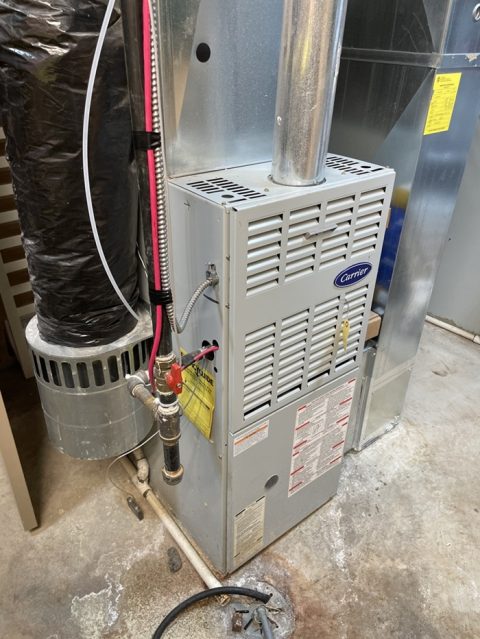
A furnace burns fuel, usually natural gas in Calgary, to heat air. A blower then pushes that warm air through ducts to registers in every room, and return ducts bring cooler air back to be reheated.
Forced-air systems are popular because they’re affordable, widely available and easy for local contractors to service. They also share ductwork with central A/C, humidifiers and air filters.
Understanding Furnace Efficiency (AFUE)
AFUE (Annual Fuel Utilization Efficiency) tells you how much of the fuel becomes usable heat. A 96% AFUE furnace turns 96 cents of every gas dollar into heat.
- Older mid-efficiency furnaces (around 80%): Vent hot exhaust up a chimney. Still common in older Calgary homes.
- High-efficiency condensing furnaces (95% and up): Pull so much heat out that exhaust cools and condenses. They vent through PVC pipe and need a condensate drain.
Single-Stage, Two-Stage or Modulating?
- Single-stage: Fully on or fully off. Simple, but temperatures swing more.
- Two-stage: Runs at a lower setting (often around 65%) most of the time and goes to high only on the coldest days. Quieter and more even.
- Modulating: Adjusts output in small steps to match demand exactly. The smoothest, most comfortable option.
Ductwork Dos and Don'ts
- Use rigid ducts where possible. Flexible duct restricts airflow.
- Seal every seam with mastic or foil tape to stop energy loss.
- Plan return air so closed bedrooms aren’t starved of airflow.
- Keep the furnace central to keep duct runs short.
- Never use wall cavities as ducts. It leaks air and isn’t permitted by code.
Thermostats & Maintenance
- Change filters regularly, every 1 to 3 months in heating season.
- Book an annual inspection before winter.
- Don’t set it too low on vacation. Some manufacturers warn that very low return-air temperatures on condensing furnaces can cause corrosive condensation and may affect your warranty. Check your manual.
- Go smart: A smart thermostat with low-temperature alerts warns you before pipes freeze.
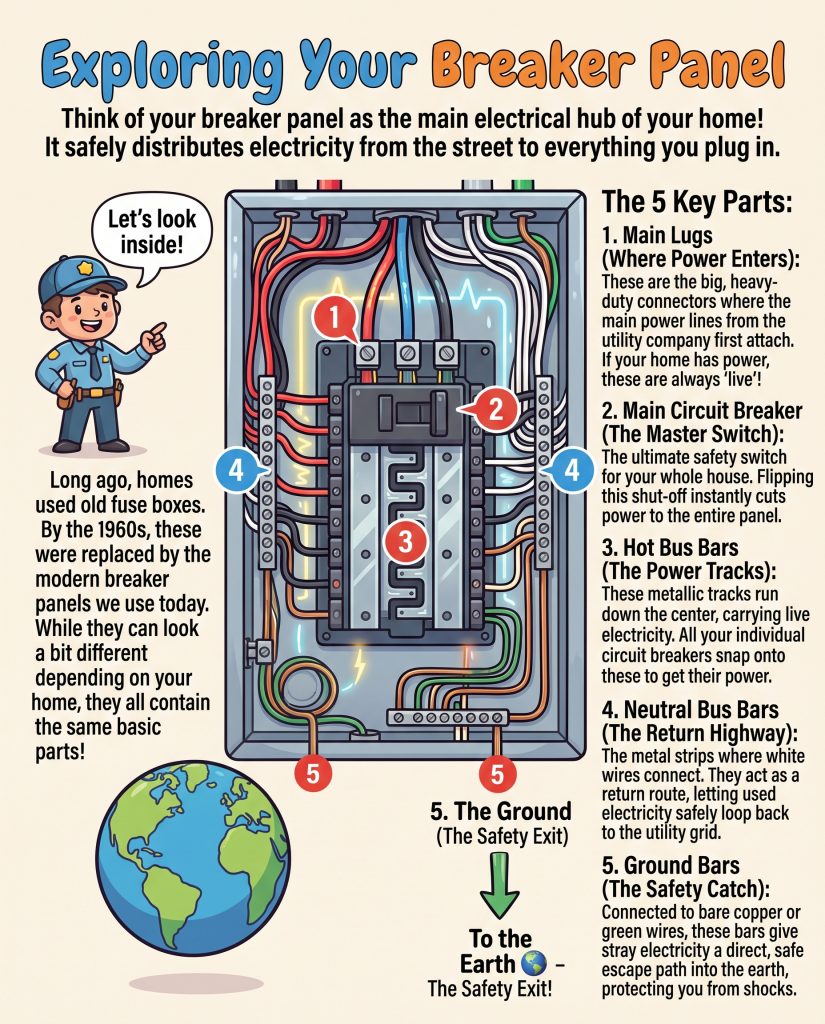
Is Your Electrical Panel Ready?
No heat? Strange noises? We can help.
Furnace wiring, controls, thermostats and emergency no-heat calls, day or night. Text us for a fast response.
Furnace Repair Calgary FAQ
Do you offer 24/7 emergency furnace repair in Calgary?
Yes. Call or text 403-619-2856 any time, day or night. While you wait, check that the thermostat is set to heat, the furnace switch and breaker are on, and the filter isn't clogged, since those are the most common causes of a no-heat call.
Why is my furnace running but not heating?
The usual causes are a dirty filter, a failed igniter or flame sensor, a thermostat problem, or intake and exhaust vents blocked by snow or frost, which is common in Calgary winters. If the vents are clear and the filter is clean, turn the furnace off and call a technician.
How often should a furnace be serviced in Calgary?
Once a year, ideally in late summer or early fall before heating season. Check or change the filter every one to three months, and more often if you have pets or a renovation underway.
Is a high-efficiency furnace worth it in Calgary?
Usually, yes. Calgary's long heating season means a high-efficiency furnace uses noticeably less natural gas than an older mid-efficiency unit. We'll check your venting, wiring and ductwork and give you an upfront quote before any work starts.
What should I do if I have no heat in winter?
Keep doors closed, use safe electric space heaters in the rooms you're using, open cabinet doors under sinks on outside walls to protect pipes, and call or text us 24/7. Never use a gas stove, oven or barbecue to heat your home.
What Calgary Customers Are Saying