EV Charger Installation in Calgary
Charging at home is the cheapest, most convenient way to keep an EV or plug-in hybrid ready to go. Here's what Calgary homeowners need to know about charger levels, connectors, installation and what's coming next.
Range a Level 2 charger adds per hour, about six times faster than a regular outlet.
Typical circuit size for a Level 2 home charger. We check your panel has room first.
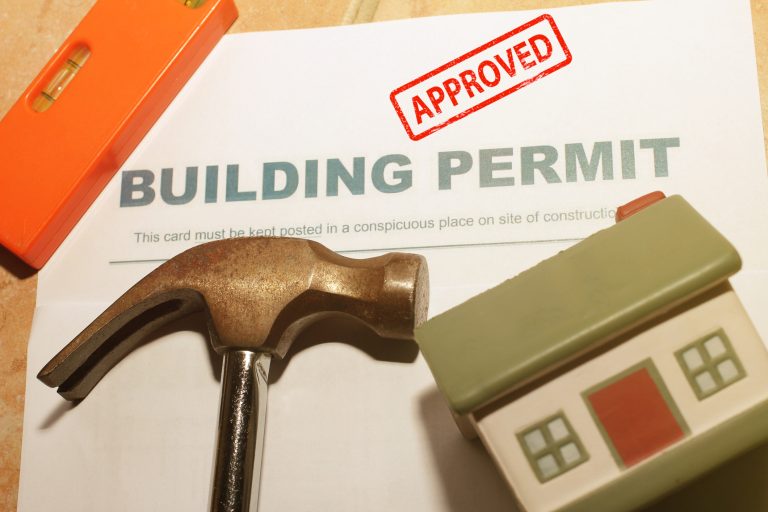
EV charger circuits need an electrical permit and inspection in Calgary. We handle it.
Everything You Need to Know
Click the 🔎 to open a topic and the ❌ to close it.
Level Up: Understanding Charger Types
| Level | Power | Range added per hour | Best for |
|---|---|---|---|
| Level 1 | 120 V household outlet | About 5 to 8 km | Short commutes, plug-in hybrids |
| Level 2 | 240 V dedicated circuit | About 30 to 50 km | Most homeowners, full charge overnight |
| DC fast | Commercial power | Hundreds of km | Public stations and road trips |
Real Calgary Install: Volvo XC90 Plug-In Hybrid
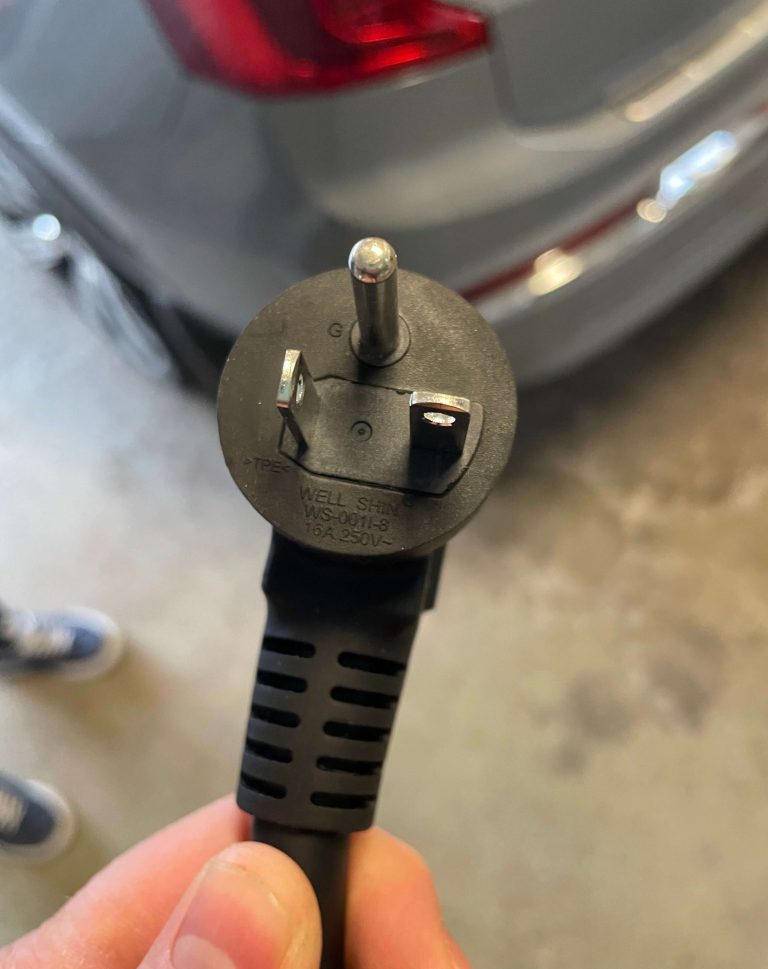
From the factory, this XC90 came with a cord for a regular 120-volt outlet, which took 12 to 14 hours to charge. Upgrading to a 240-volt, 20-amp receptacle that matches the cord cut that to about 5 hours.
The owner wanted to plug in whether they pulled in forward or backed in, so we installed two 240 V receptacles: one near the overhead door and one by the man door.
Connector Confusion Cleared Up
- NACS (Tesla-style): Now being adopted by many automakers on new models.
- J1772: The long-time standard on most non-Tesla EVs.
Don't worry if your car and charger don't match. Certified adapters are widely available.
Shopping for a Level 2 Charger
- Certification: Must be certified for use in Canada (look for CSA, cUL or cETL marks).
- Cable length: At least 6 m (20 ft) so it reaches comfortably.
- Weather rating: Essential if it's mounted outside in Calgary winters.
- Smart features: App scheduling lets you charge off-peak and track usage.
- Warranty: Three years or more.
Popular picks
- Grizzl-E (made in Canada): Built tough for harsh weather. The Duo charges two cars at once.
- ChargePoint Home Flex: Strong app and adjustable amperage.
- Tesla Wall Connector: Sleek, with power sharing for multiple units.
- Ford Charge Station Pro: High-output charging for big trucks like the F-150 Lightning.
Installation Need-to-Knows
- Hire a licensed electrician: EV charger circuits need an electrical permit and inspection in Calgary.
- Hardwired vs. plug-in: Hardwired is usually the most reliable. Plug-in models need a heavy-duty receptacle and shouldn't be unplugged often, since repeated plugging can loosen connections and create heat.
- Mounting and clearances: We follow the manufacturer's instructions and the Canadian Electrical Code for height, clearance and location.
- Load management: If your panel is near capacity, an energy management system can share power so you may not need a full service upgrade.
What's Next: Wireless and Two-Way Power
- Wireless charging: Park over a ground pad and charge automatically.
- Bidirectional charging: Some EVs, like the Ford F-150 Lightning, can already power tools or even a home during an outage with the right equipment.
- Vehicle-to-grid: In the future, your EV may send power back to the grid at peak times.
Is Your Electrical Panel Ready?
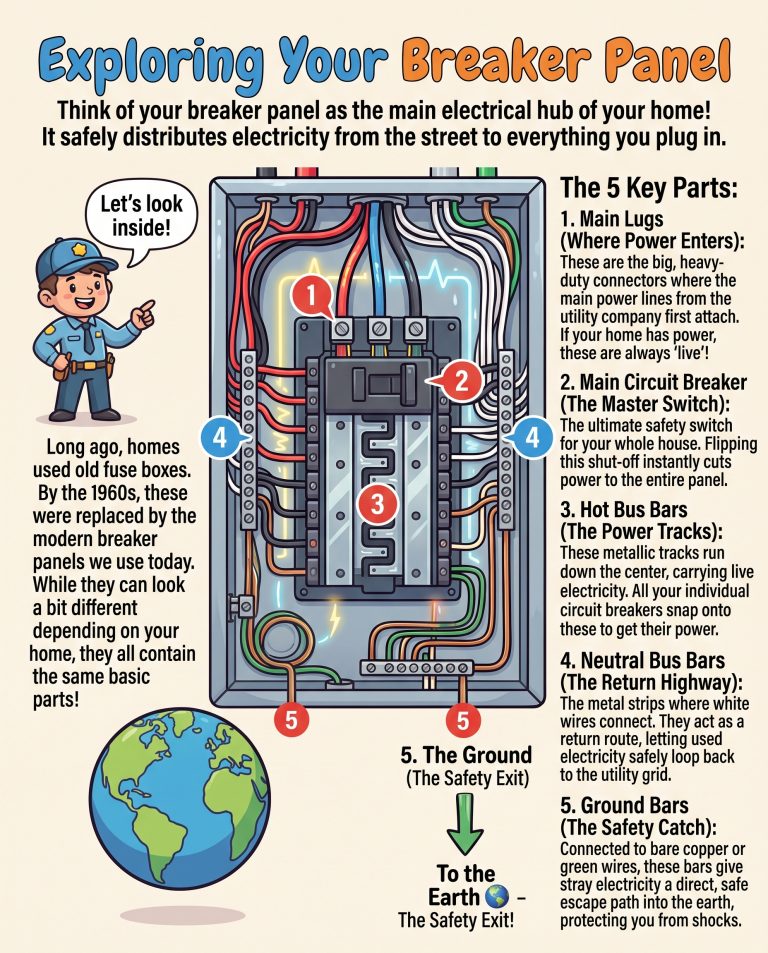
A Level 2 charger usually needs a 40- or 50-amp circuit. Many Calgary homes have room, but some need load management or a panel upgrade first.
Our electrician guide walks you through what's inside your panel, how breakers keep you safe, and the signs it's time for an upgrade.
Related Guides
What Calgary Customers Are Saying


Book Your EV Charger Installation
We install Level 2 chargers and 240-volt receptacles in attached and detached garages and driveways across Calgary, permit included.
← Back to All Blogs